In This Guide
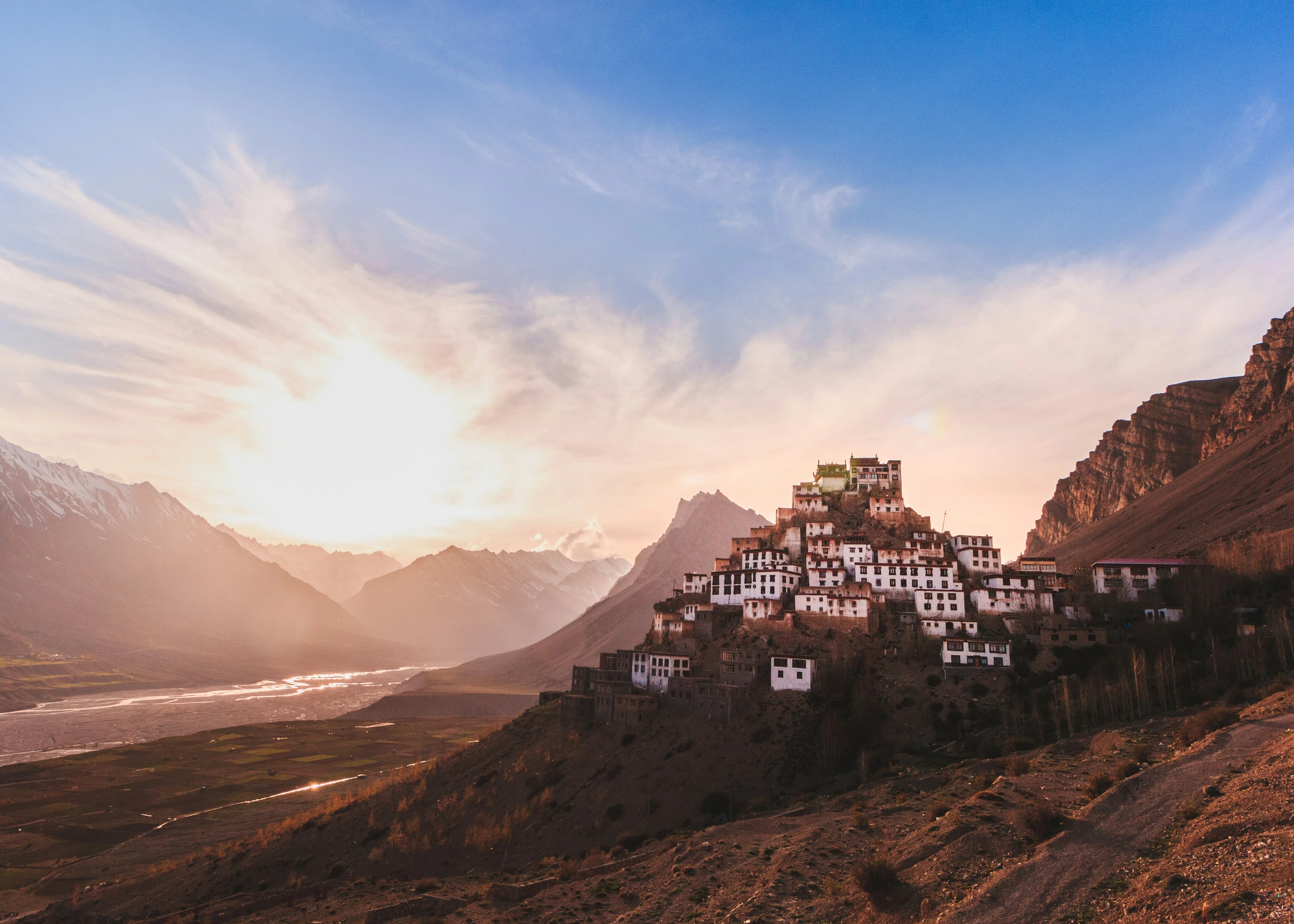
Spiti Valley is a remote mountain valley in the northeastern part of Himachal Pradesh, India. Often referred to as "Little Tibet," Spiti offers breathtaking landscapes that rival Ladakh — with pristine monasteries, towering peaks, crystal-clear rivers, and villages that seem frozen in time. Unlike its more famous neighbor, Spiti remains relatively untouched by mass tourism, offering an authentic and offbeat experience for adventure seekers, nature lovers, and those seeking solitude in the mountains.
In 2026, Spiti has become more accessible than ever thanks to new road infrastructure, including the Shinku La tunnel and the Nimmu-Padam-Darcha road, making it a year-round destination. Whether you are planning a challenging road trip, a multi-day trek, or simply want to explore ancient Buddhist culture, Spiti delivers an unforgettable experience.
Best Time to Visit Spiti Valley
Spiti Valley is accessible from May to October, with each month offering a different experience. The valley experiences harsh winters with heavy snowfall, when most roads are closed.
May to June: Early Summer
This is the beginning of the tourist season. The weather is pleasant with daytime temperatures around 15-20°C, though nights can still be cold. The roads open up after winter closure, and the landscape is refreshed from snowmelt. This is a great time for photography, with clear skies and less crowded attractions.
July to August: Peak Season
The summer months bring the best weather to Spiti. Daytime temperatures range from 20-25°C, and all roads and passes are accessible. This is the most popular time to visit, with lush green valleys and blooming wildflowers. However, this is also monsoon season in the rest of India, and occasional landslides can occur on the Manali-Spiti road.
September to October: Autumn
Considered by many as the best time to visit Spiti. The monsoon has ended, leaving behind crystal-clear skies and crisp air. The landscape turns golden as autumn sets in, offering spectacular photography opportunities. Night temperatures begin to drop, but the weather remains comfortable for sightseeing. This is also the time for the famous Spiti-Lahaul apple harvest.
Season Quick Summary
- Best Overall: September to October (clear skies, autumn colors)
- Peak Season: July to August (all routes open, green valleys)
- Early Season: May to June (fewer crowds, fresh landscapes)
- Winter: Closed (roads blocked by snow)
How to Reach Spiti Valley
Via Manali (Most Popular)
The Manali-Kaza road is the most commonly used route to Spiti. This 240 km route passes through the Rohtang Pass and Kunzum Pass, both of which are high-altitude crossings. The road is open from June to October, weather permitting. The journey takes 8-10 hours from Manali to Kaza.
Via Shimla (New Road)
The Shimla-Kaza route via the new Nimmu-Padam-Darcha (NPD) road is now a year-round alternative. This road has significantly reduced travel time and made Spiti more accessible. The drive takes approximately 10-12 hours from Shimla.
Via Kinnaur (Alternative)
Another option is via Kinnaur (Kinnaur-Kalpa-Spiti), offering stunning views of the Kinnaur Himalayas. This route is also open for most of the year and provides a different perspective of the region.
By Air and Road Combination
The nearest airport is Bhuntar (Kullu-Manali Airport), about 250 km from Spiti. From there, you can hire a taxi or take a bus to Spiti. Alternatively, you can fly to Chandigarh and drive to Spiti (approximately 12-14 hours).
Top Places to Visit in Spiti Valley
Kaza
The administrative center and main town of Spiti Valley, Kaza serves as the base for exploring the region. It has good accommodation options, restaurants, and is home to the famous Kaza Monastery. The town is split into old and new sections, with the old village preserving traditional Spitian architecture.
Key Monastery (Kye Monastery)
One of the oldest and largest monasteries in Spiti, Key Monastery is perched atop a hill at an altitude of 4,166 meters. This 1000-year-old monastery houses valuable thangkas (Buddhist paintings), ancient manuscripts, and a community of monks. The views from the monastery are spectacular, especially during sunrise and sunset.
Pin Valley National Park
Located in the cold desert of Spiti, Pin Valley is home to rare wildlife including the snow leopard, ibex, and Himalayan griffon vulture. The park offers excellent trekking opportunities and is a paradise for wildlife enthusiasts and photographers.
Hikkim
Hikkim is home to the world's highest post office at 4,400 meters. Visitors can send postcards with unique stamps from this remote location, making it a popular stop for tourists. The village also offers stunning views of the surrounding mountains.
Komik
At 4,585 meters, Komik is one of the highest villages in Asia. The village is famous for the Tangyud Monastery, which offers panoramic views of the Spiti Valley. The drive to Komik itself is an adventure, with dramatic landscapes throughout.
Langza
Langza is a small village known for its fossil beds and the iconic Langza Buddha statue overlooking the valley. The village offers great views of the Himalayan range and is an excellent base for exploring the surrounding areas.
Chandratal Lake
Chandratal (Moon Lake) is a stunning high-altitude lake at 4,250 meters. The turquoise waters set against the backdrop of snow-capped peaks create a picture-perfect scene. The lake is accessible from June to October and requires a short trek from the parking area.
Tabo
Home to the ancient Tabo Monastery, often called the "Ajanta of the Himalayas." Founded in 996 AD, this UNESCO World Heritage Site is one of the oldest monasteries in the region. The village also features cave temples and is an important center for Buddhist learning.
Popular Treks in Spiti Valley
Pin Parvati Trek
One of the most challenging and scenic treks in the Indian Himalayas, the Pin Parvati Trek passes through diverse landscapes, from green valleys to barren deserts. This 10-12 day trek connects Spiti with the Parvati Valley in Kullu.
Spiti to Lahaul via Pin Parvati Pass
A classic high-altitude trek that takes you from Spiti to Lahaul across the Pin Parvati Pass (5,318m). The route offers stunning views of glaciers, lakes, and remote villages.
Kibber tochandral Trek
A moderate 4-5 day trek from Kibber village to Chandratal Lake, passing through high altitude passes and beautiful meadows.
Langza to Komic Trek
An easy 2-3 day trek connecting the villages of Langza, Komic, and Hikkim. This is great for beginners and offers insight into local village life.
Trekking Tips
- All treks require permits from the Deputy Commissioner office in Kaza
- Hire a local guide for safety and cultural insight
- Carry appropriate gear for high altitudes
- Acclimatize properly before starting any trek
Where to Stay in Spiti Valley
Spiti offers limited but comfortable accommodation options. Most travelers stay in Kaza, which has the widest range of hotels and guesthouses.
Hotels in Kaza
Kaza has hotels ranging from basic guesthouses to comfortable mid-range options. Budget: ₹500-1,500/night, Mid-range: ₹2,000-3,500/night.
Homestays
For a more authentic experience, consider homestays in villages like Langza, Komik, or Kibber. These offer local hospitality and home-cooked meals. Prices: ₹300-800/night.
Camping
Camping is popular in Spiti, especially near Chandratal Lake and in Pin Valley. Many tour operators offer guided camping experiences. Costs vary depending on operator and facilities.
Costs & Budget
Budget Traveler (₹1,500-2,500/day)
- Budget guesthouses or homestays
- Local transport (shared taxis)
- Local dhabas for meals
Mid-Range Traveler (₹3,000-5,000/day)
- Hotels in Kaza
- Private taxi for sightseeing
- Restaurant meals
Luxury Traveler (₹6,000+/day)
- Premium hotels or luxury camps
- Private vehicle with driver
- Guided tours and treks
Essential Travel Tips
Altitude Precautions
Spiti Valley ranges from 3,000 to 6,000 meters altitude. Acclimatize properly, stay hydrated, and avoid strenuous activity on the first day. Consult your doctor about Diamox for altitude sickness prevention.
What to Pack
- Warm layers (even summer nights are cold)
- Sun protection (sunblock, sunglasses, hat)
- Comfortable trekking shoes
- First aid kit and personal medications
- Cash (limited ATM availability in Spiti)
Connectivity
Mobile connectivity is limited in Spiti. BSNL has the best coverage, while private operators have limited reach. Internet is available in some hotels in Kaza but can be slow.
Respect Local Culture
Spiti is home to a predominantly Buddhist population. Respect local customs, ask permission before photographing monasteries and monks, and follow responsible tourism practices.
Important Reminders
- Book accommodation in advance during peak season
- Carry sufficient cash as ATMs are limited
- Check road conditions before traveling
- Register your itinerary with local authorities for treks