🔥 2026 Update — Fire Horse Year & Yatra Reopening
The Kailash Mansarovar Yatra has reopened for Indian pilgrims in 2026 after a five-year suspension. China cleared 1,000 Indian pilgrims for the 2026 season. Additionally, 2026 is the Fire Horse Year — a once-in-60-years spiritual event. One Parikrama this year carries the merit of 13 standard Koras. The last Fire Horse Year was 1966. The next will be 2086.
In This Guide
- Why 2026 is the Most Significant Kailash Yatra in 60 Years
- The Geopolitical Reopening — What Changed in 2026
- Quick Facts & At-a-Glance
- The Three Routes for Indian Pilgrims
- Route Comparison Table
- The Kailash Parikrama — Day by Day
- Permits & Documentation
- Costs in INR — 2026 Pricing
- 2026 Batch Dates & Booking Urgency
- Best Time to Visit
- Physical Preparation
- What to Pack
- Tips from Our Experience
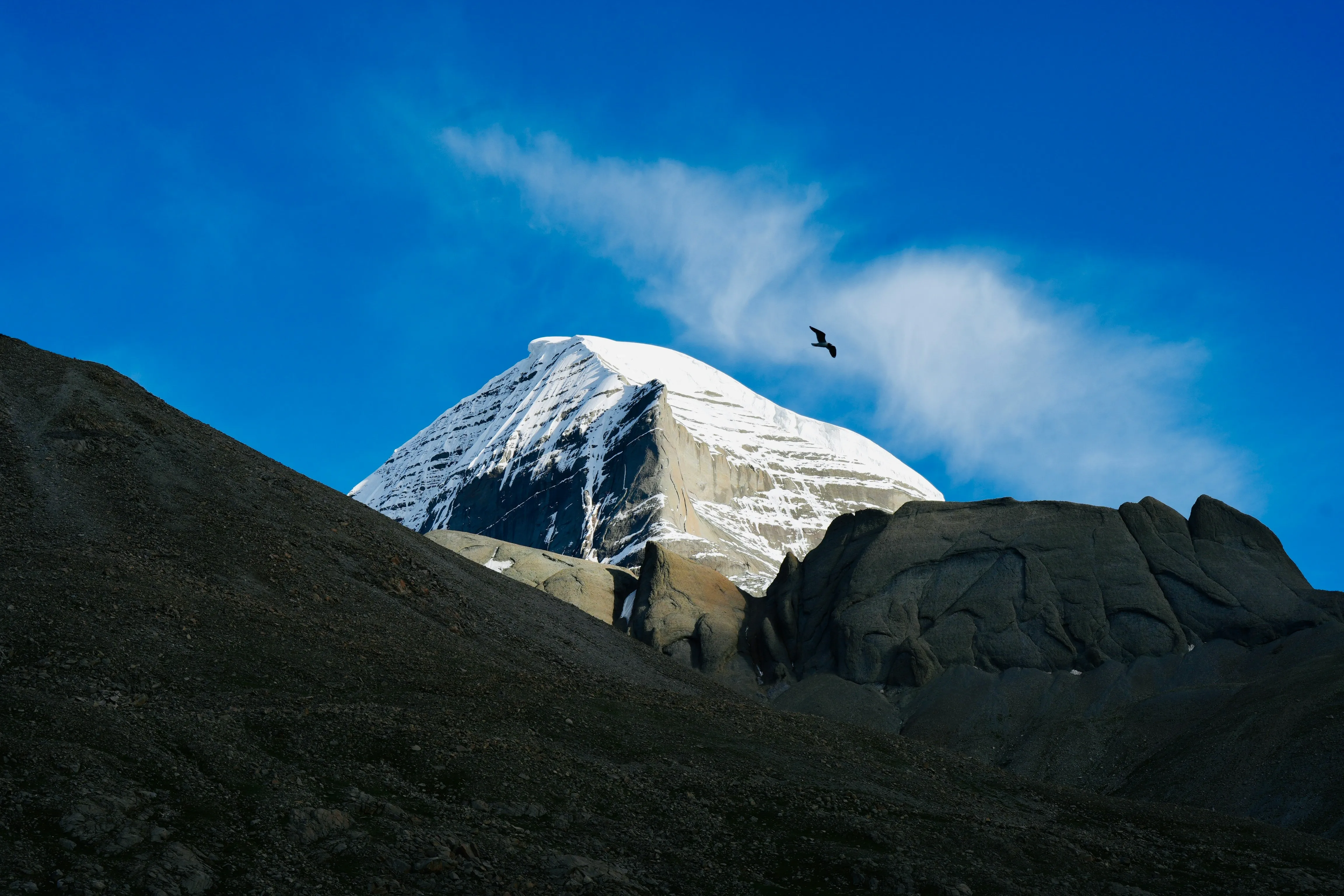
The Kailash Mansarovar Yatra is considered one of the most sacred pilgrimages in the world. For Hindus, it is the eternal abode of Lord Shiva. For Tibetan Buddhists, it is Kang Rinpoche — the Precious Snow Jewel and the axis of the universe. For Jains, it is Ashtapada, where Rishabhdev attained Moksha. For Bon practitioners, it is the seat of the sky goddess Sipaimen. Located in the remote Ngari Prefecture of western Tibet at 6,638 metres, Mount Kailash has never been summited — not because it cannot be, but because four religions consider it an act of desecration to attempt it.
If you are planning to undertake this life-changing journey in 2026, this guide covers everything — the extraordinary spiritual significance of this year, the geopolitical reopening, routes, permits, costs in INR, batch dates, physical preparation, and what to genuinely expect along the way.

Why 2026 is the Most Significant Kailash Yatra in 60 Years
The Tibetan and Chinese astrological systems operate on a 60-year cycle pairing twelve zodiac animals with five elements. The Horse represents spiritual vitality and the speed of spiritual evolution. Fire represents karmic purification and transformation. The Fire Horse combination occurs once every sixty years. The last Fire Horse Year was 1966 — when Kailash was largely inaccessible to international pilgrims. The next will be 2086.

The 13x Parikrama Multiplier
In any Year of the Horse (every 12 years), completing one Kora around Mount Kailash yields the karmic merit of 13 standard Koras. This is a universally held doctrine among Buddhist, Hindu, and Bon pilgrims. For a pilgrim who may only make this journey once in their lifetime, the ability to compress thirteen lifetimes of spiritual cleansing into a single 52-kilometre trek is an extraordinary incentive.
The Saga Dawa Convergence — May 31, 2026
Saga Dawa is the fourth Tibetan lunar month, commemorating the Buddha’s birth, Enlightenment, and death. During Saga Dawa, all actions are multiplied 100,000 times. In 2026, Saga Dawa Duchen (the full moon apex) falls on May 31. When the 13x Horse Year multiplier is layered over the 100,000x Saga Dawa multiplier, the theological incentive reaches its absolute ceiling. The May batch departures that align with this window are the most sought-after and sell out first.
Fire Horse Year at a Glance
- Last Fire Horse Year: 1966 (Kailash inaccessible to most pilgrims)
- This Fire Horse Year: Feb 17, 2026 – Feb 5, 2027
- Next Horse Year: 2038 (Earth Horse — 13x multiplier, no Fire element)
- Next Fire Horse Year: 2086
- Saga Dawa Duchen 2026: May 31 (100,000x multiplier)
- Combined merit window: Once in a human lifetime
The Geopolitical Reopening — What Changed in 2026
The Kailash Mansarovar Yatra was suspended for five years — first by COVID-19 border closures in 2020, then by the India-China military confrontation at Galwan Valley. In 2026, following high-level bilateral agreements, China cleared 1,000 Indian pilgrims for the 2026 season via the Nepal transit route.
The Nepal via Kyirong route is operational. India is also pursuing the Lipulekh Pass route (via Uttarakhand), though Nepal raised a territorial objection in May 2026 — India has rejected this claim as unjustified. The Kathmandu-based overland route remains the most reliable option for 2026.
⚠️ Route Status — May 2026
- Nepal via Kyirong: Operational — recommended route
- Lipulekh Pass (Uttarakhand): Under diplomatic discussion — confirm before booking
- Nathu La (Sikkim): Government-organised MEA route — separate quota
- Aerial Darshan (Lucknow): Fully operational, no passport required
Quick Facts & At-a-Glance
Kailash Mansarovar — Key Facts
- Location: Ngari Prefecture, Tibet Autonomous Region, China
- Altitude of Mt. Kailash: 6,638 metres
- Lake Manasarovar altitude: 4,590 metres
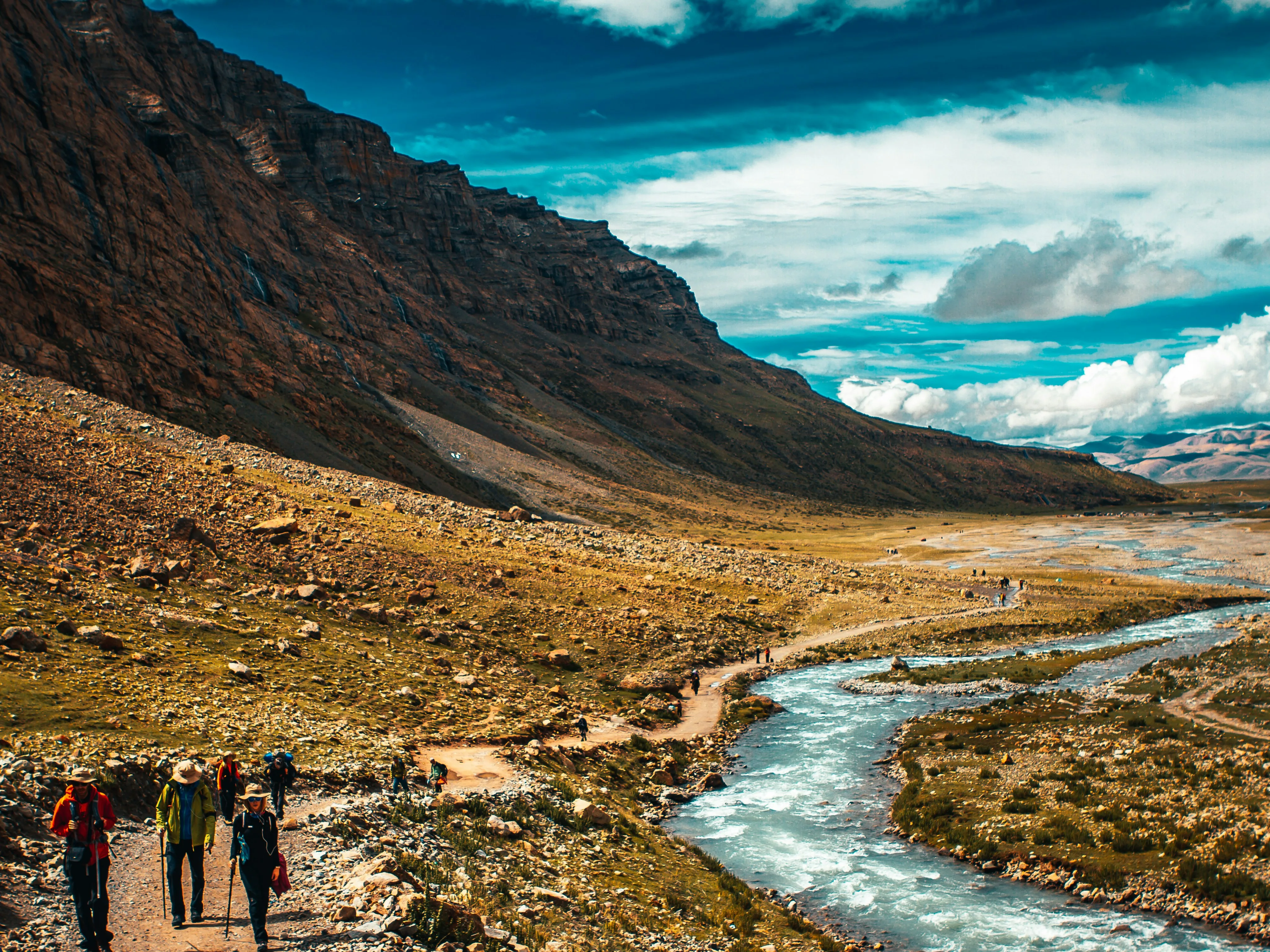
- Parikrama distance: ~52 km over 3 days
- Dolma La Pass (highest point): 5,630 metres
- Age limit (Chinese authorities): 18–70 years
- Season: May to September
- Duration by route: 3 days (Aerial) / 11 days (Helicopter) / 14 days (Overland)
- Mansarovar bathing: Currently restricted by Tibetan authorities
The Three Routes for Indian Pilgrims
There are three main routes available to Indian pilgrims in 2026. Each has different requirements, costs, and physical demands. Choose based on your age, fitness, time, and budget.
1. Kailash Aerial Darshan — No Passport Required
The most accessible option. You fly over Mount Kailash and Lake Manasarovar by chartered jet aircraft without setting foot on Tibetan soil. There is no passport requirement, no Chinese visa, and no age restriction. The trip is completed in 2–3 days from Lucknow. Ideal for elderly pilgrims, those with health conditions, or anyone who wants the divine darshan without the physical demands of the overland route. Every pilgrim receives Mansarovar Jal and an original Rudraksha as prasad. View our Kailash Aerial Darshan package →
2. Kailash Helicopter Yatra from Lucknow
You fly from Lucknow to Nepalgunj, then take a helicopter to Purang (Taklakot) in Tibet. You land near Lake Manasarovar and complete the full 3-day Kailash Parikrama. Requires a valid passport, Chinese Group Visa, and Tibet Travel Permit. Duration is 10 nights / 11 days. Less strenuous than the full overland route but still requires reasonable fitness for the Parikrama at 5,630 metres. View our Kailash Heli Yatra from Lucknow →
3. Kailash Overland Yatra from Kathmandu
The traditional, most spiritually immersive route. You travel overland from Kathmandu through Tibet via the Kyirong border, spending acclimatisation days at Kyirong, Saga, and Paryang before reaching Darchen — the base for the Parikrama. This route takes 13 nights / 14 days and gives you the full experience of the Tibetan plateau, including the vast Mansarovar Lake and the complete Kailash Kora. Requires passport and full Tibet permit set. View our Kailash Overland Yatra from Kathmandu →
Route Comparison Table
| Feature | Aerial Darshan (Lucknow) | Heli Yatra (Lucknow) | Overland (Kathmandu) |
|---|---|---|---|
| Duration | 2–3 days | 11 days | 14 days |
| Passport Required | No | Yes | Yes |
| Chinese Visa | Not required | Required | Required |
| Start Point | Lucknow | Lucknow | Kathmandu |
| Physical Difficulty | None (flight) | Moderate | High |
| Age Limit | None | 18–70 years | 18–70 years |
| Trek at 5,630m | No — flight only | Yes — 3-day Parikrama | Yes — 3-day Parikrama |
| Best For | Elderly / time-pressed | Moderate fitness | Full spiritual experience |
The Old Silk Route (Nathu La, Sikkim) is a government-organised MEA route with a separate quota — details in Route Status above.