In This Guide
Sikkim — the jewel of Northeast India — is a destination that captivates every traveler with its extraordinary blend of natural beauty, cultural richness, and spiritual depth. Tucked away in the eastern Himalayas, this small but spectacular state offers an experience that ranges from serene Buddhist monasteries perched on hilltops to vibrant rhododendron valleys, from pristine alpine lakes to the dramatic heights of Kanchenjunga, the world's third-highest mountain.
What makes Sikkim truly special is its remarkable biodiversity compressed into just 7,096 square kilometers. Here, you can journey from subtropical forests at lower altitudes to arctic conditions at high mountain passes, all within a single day's drive. The state's commitment to sustainable tourism, evident in its ban on plastic and promotion of organic farming, adds an eco-conscious dimension to your travels. This comprehensive guide covers everything you need to plan your Sikkim adventure in 2026.
Best Time to Visit Sikkim
Sikkim enjoys a pleasant climate throughout the year, but each season brings a distinct character to the destination. Understanding the seasonal variations will help you plan the perfect trip.
March to May: Spring Bloom
This is arguably the most beautiful time to visit Sikkim. The hillsides come alive with blooming rhododendrons — over 30 varieties paint the landscape in shades of red, pink, white, and purple. Temperatures range from 15°C to 25°C in the lower altitudes, making it comfortable for sightseeing. The famous Buddhist festivals of Losar ( Tibetan New Year) often fall during this period, offering a unique cultural experience.
June to September: Monsoon Season
Sikkim receives heavy monsoon rains, particularly in June and July. While the rainfall sustains the region's lush greenery and creates spectacular waterfalls, it also brings challenges: landslides are common on mountain roads, and some high-altitude destinations may be inaccessible. However, this is the best time for those interested in witnessing the monsoon clouds rolling over the mountains and experiencing the terraced rice fields at their greenest.
October to November: Autumn Glory
Post-monsoon autumn brings clear skies and crisp mountain air. This is a popular time for adventure activities and trekking. The weather remains pleasant (15°C-22°C), and visibility is excellent for mountain views. The harvest season brings local festivals and cultural events. October also marks the month of Dashain and Dussehra celebrations, offering insights into local traditions.
December to February: Winter Wonderland
Winter transforms Sikkim into a serene wonderland. While temperatures can drop below freezing at higher altitudes, the lower areas like Gangtok remain pleasant (around 10°C-15°C). This is the off-season, meaning fewer tourists and discounted accommodation. For those seeking snow experiences, visits to Tsongmo Lake and Nathula Pass can yield snow-filled landscapes. Warm clothing is essential.
Quick Season Summary
- Best Overall: March-May (rhododendron bloom, pleasant weather)
- Peak Season: October-November (clear skies, adventure activities)
- Budget-Friendly: December-February (off-season discounts)
- Avoid: June-July (heavy monsoon, road disruptions)
How to Reach Sikkim
Sikkim is well-connected by air, rail, and road. The most popular entry points are Bagdogra Airport (near Siliguri) and NJP Railway Station.
By Air: Bagdogra Airport
Bagdogra Airport (IXB) is the nearest airport to Sikkim, located about 124 km from Gangtok. It has regular flights from major cities including Delhi, Kolkata, Mumbai, and Guwahati. From the airport, you can hire a taxi or take a shared jeep to Gangtok (approximately 4-5 hours).
By Rail: New Jalpaiguri (NJP)
New Jalpaiguri Railway Station (NJP) is the nearest major railhead, well-connected with trains from Delhi, Kolkata, Mumbai, and other major cities. From NJP, taxis and shared jeeps are available to Gangtok (approximately 5-6 hours).
By Road: Via Siliguri
Most travelers arrive by road from Siliguri, which is the gateway to Sikkim. State transport buses and private taxis operate regularly. The drive from Siliguri to Gangtok is scenic but winding, so be prepared for a few hours on mountain roads.
Travel Times from Bagdogra/NJP
- Gangtok: 4-5 hours by taxi, 5-6 hours by shared jeep
- Pelling: 6-7 hours
- Lachung (North Sikkim): 8-9 hours
Permits & Entry Requirements
Sikkim requires special permits for foreign nationals, and certain areas have additional restrictions.
For Indian Nationals
Indian nationals do not require any special permit to enter Sikkim. However, for visiting border areas like Nathula Pass, Tsongmo Lake, and Gurudongmar Lake, you need an Inner Line Permit (ILP) which can be obtained from the Gangtok police or through your tour operator.
For Foreign Nationals
Foreign nationals require a Protected Area Permit (PAP) to enter Sikkim. This permit is issued by the Ministry of Home Affairs and can be arranged through registered travel agents or tour operators in Gangtok. The process typically takes 2-3 working days.
- Protected Area Permit (PAP): Required for all of Sikkim
- Cost: Approximately ₹200-500 depending on nationality and duration
- Valid for: 15 days (extendable)
- How to obtain: Through registered tour operators in Gangtok
Restricted Area Permits
- Nathula Pass: Requires special permit (Indian nationals only)
- Gurudongmar Lake: Requires special permit, not open to all nationalities
- Tsongmo Lake: Requires Inner Line Permit
- Apply through Sikkim Tourism or your tour operator
Top Places to Visit in Sikkim
Gangtok
The capital city of Sikkim is a perfect blend of modern amenities and traditional charm. MG Marg (Mahatma Gandhi Marg) is the main shopping street, perfect foræ•£æÂÂ¥ and local shopping. Must-visit attractions include the Enchey Monastery, Ban Jhakri Falls, Tashi View Point, and the Institute of Tibetology. The city serves as an excellent base for exploring Sikkim.
Pelling
Located in West Sikkim, Pelling offers spectacular views of the Kanchenjunga range. The town is known for the Pemayangtse Monastery (one of the oldest in Sikkim), Rabdentse Ruins (the former capital of the Sikkimese kingdom), and the Skywalk offering breathtaking views. It is also a gateway to the Khangchendzonga National Park.
Tsongmo Lake
This pristine glacial lake is located at an altitude of 3,780 meters, about 40 km from Gangtok. The lake remains frozen during winter and offers stunning views of the surrounding mountains. The area is also known for yak riding and the annual rhododendron festival if visited in spring.
Yumthang Valley
Known as the "Valley of Flowers," Yumthang is a paradise for nature lovers. Located at an altitude of 3,564 meters, this valley blooms with over 24 species of rhododendrons, primulas, and other alpine flowers during spring. The hot springs at Yume Samdung are also worth visiting.
Nathula Pass
At 4,310 meters, Nathula is one of the highest motorable passes in India and forms part of the historic Silk Route. The pass connects Sikkim with Tibet and offers stunning views. It is open to Indian nationals only, and permits are required.
Lachung & Lachen
These remote villages in North Sikkim offer an authentic Himalayan experience. Lachung is known for its apple orchards, Buddhist monasteries, and the breathtaking Zero Bridge. From here, you can visit the Gurudongmar Lake (one of the highest lakes in the world) and Chungthang.
Namchi
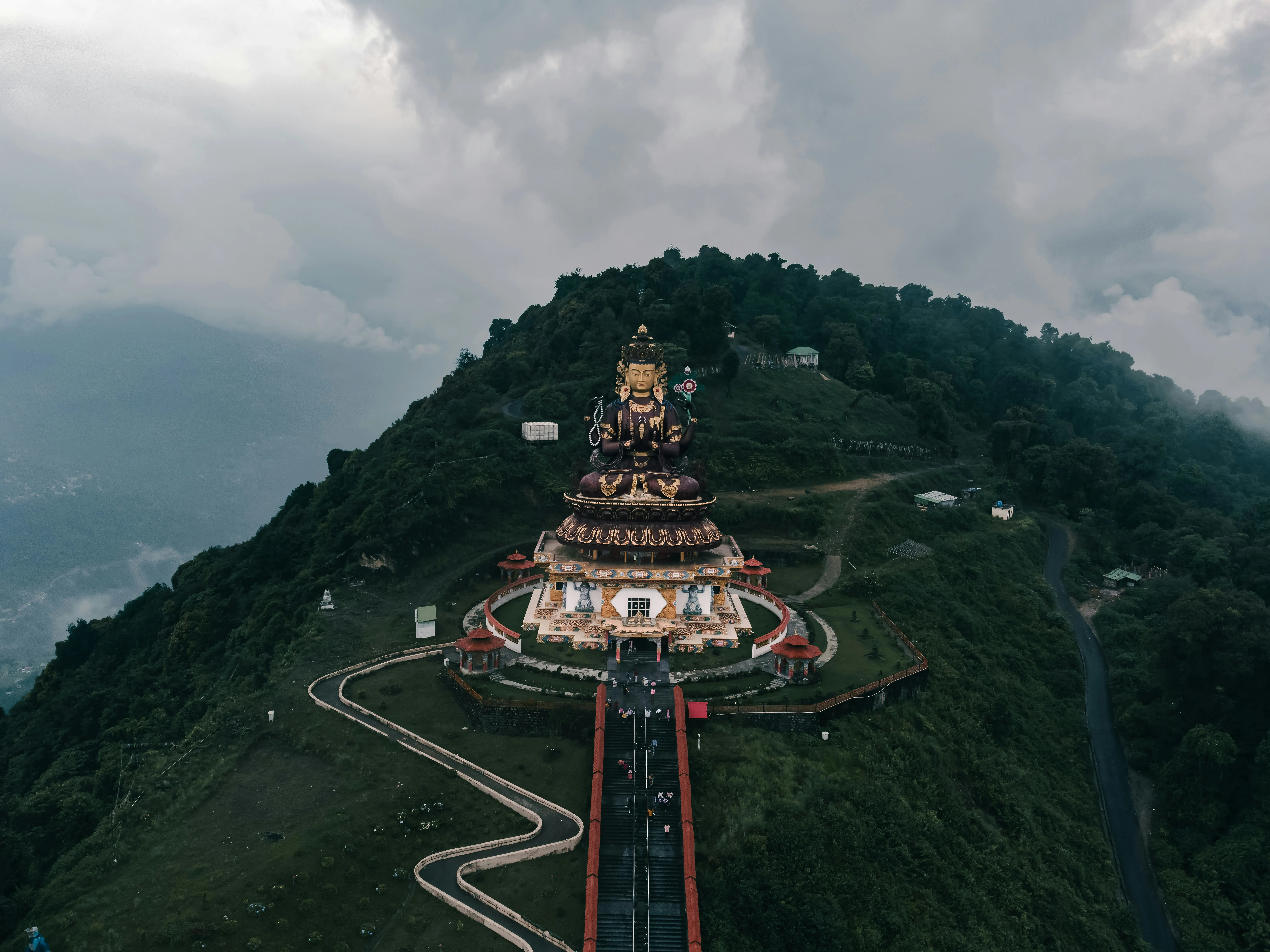
Located in South Sikkim, Namchi is known for the famous Samdruptse Monastery (the holiest monastery in Sikkim), the Solophok Chardham pilgrimage site, and the world's largest statue of Guru Padmasambhava (the Buddhist saint). The views of the Kanchenjunga from here are spectacular.
Suggested Itineraries
5-Day Sikkim Highlights
Ideal for those with limited time:
- Day 1: Arrive in Gangtok, explore MG Marg
- Day 2: Visit Tsongmo Lake and Nathula Pass
- Day 3: Drive to Pelling, visit Pemayangtse Monastery
- Day 4: Explore Pelling (Skywalk, Rabdentse), return to Gangtok
- Day 5: Departure
8-Day North Sikkim Expedition
The ultimate Sikkim experience:
- Days 1-2: Arrive in Gangtok, city sightseeing
- Day 3: Drive to Lachung (6-7 hours)
- Day 4: Visit Yumthang Valley and Zero Bridge
- Day 5: Drive to Lachen, visit Gurudongmar Lake
- Day 6: Return to Gangtok via Lachung
- Day 7: Visit Namchi and Chardham
- Day 8: Departure
Where to Stay
Sikkim offers diverse accommodation options from budget guesthouses to luxury resorts:
Gangtok
The widest range of accommodations. Budget guesthouses start at ₹800-1,500/night, mid-range hotels at ₹2,000-4,000/night, and luxury resorts at ₹6,000+/night. Most hotels offer stunning mountain views.
Pelling
Good options including heritage hotels and budget guesthouses. Budget: ₹700-1,200, Mid-range: ₹2,000-3,500, Luxury: ₹5,000+.
North Sikkim (Lachung/Lachen)
Basic lodges and homestays. Options are limited, so book in advance. Budget: ₹500-1,000, Standard: ₹1,500-2,500.
Resorts
Sikkim has several luxury resorts offering panoramic views of Kanchenjunga, spa facilities, and authentic Sikkimese hospitality.
Accommodation Tips
- Book at least 2 weeks in advance for peak season (October-November)
- Most hotels provide heating in winter months
- Homestays offer authentic local experience
- Confirm if breakfast is included in the tariff
Costs & Budget
Sikkim can be tailored to various budgets:
Budget Traveler (₹1,500-2,500/day)
- Local buses and shared jeeps
- Budget guesthouses (₹600-1,200/night)
- Local eateries for meals (₹150-300 per meal)
Mid-Range Traveler (₹3,000-5,000/day)
- Private taxi for sightseeing
- Mid-range hotels (₹2,000-4,000/night)
- Restaurant meals
Luxury Traveler (₹6,000+/day)
- Private vehicle with driver
- Luxury resorts and heritage properties
- All-inclusive packages
Essential Travel Tips
Acclimatization
While Sikkim's altitudes are lower than Ladakh, altitude sickness can still occur. Spend a day in Gangtok (1,650m) before heading to higher areas like Tsongmo Lake (3,780m) or Lachung (2,600m).
What to Pack
- Layers — weather changes quickly in the mountains
- Comfortable walking shoes
- Rain gear (especially for monsoon season)
- Warm jacket for high-altitude visits
- Sun protection (sunscreen, sunglasses, hat)
- Medications for altitude and travel sickness
Connectivity
Jio, Airtel, and BSNL have good coverage in Gangtok and major towns. However, connectivity may be limited in remote areas like North Sikkim.
Cultural Etiquette
- Remove shoes before entering monasteries
- Ask permission before photographing monks
- Walk clockwise around chortens and stupas
- Respect local Buddhist traditions
Important Reminders
- Carry valid ID proof at all times
- Permits may be checked at various checkpoints
- Book permits 3-5 days in advance for Nathula and Gurudongmar
- Respect the environment — Sikkim has strict plastic bans