In This Guide
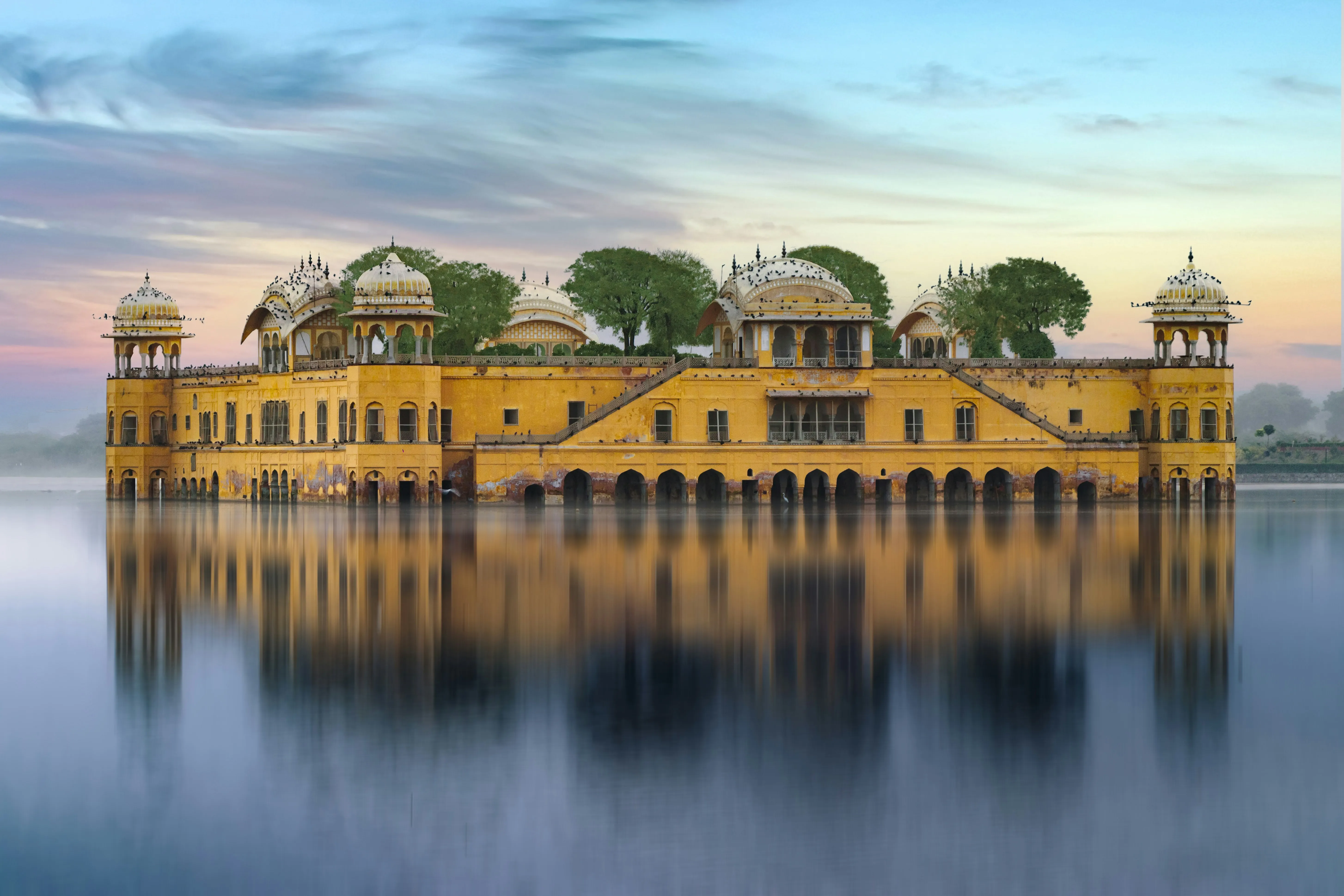
Rajasthan — the "Land of Kings" — is India's crown jewel when it comes to cultural tourism. This vast northwestern state offers an unparalleled journey through time, where ancient forts and palaces rise from the desert sands, vibrant bazaars overflow with colorful textiles and spices, and traditional villages preserve ways of life that have remained unchanged for centuries.
From the Pink City of Jaipur to the Blue City of Jodhpur, from the Golden City of Jaisalmer to the White City of Udaipur, each destination in Rajasthan tells its own story of valor, romance, and royalty. Whether you are exploring magnificent palaces, riding camels across the Thar Desert, or witnessing traditional folk performances under starlit skies, Rajasthan delivers experiences that will be etched in your memory forever.
Best Time to Visit Rajasthan
Rajasthan has a desert climate with extreme temperatures. The best time to visit depends on your priorities.
October to March: The Best Season
This is the ideal time to visit Rajasthan. The weather is pleasant (15°C-25°C in the day, cooler at night), and most attractions are accessible. Winter brings slight chill, especially in the evenings, but it's perfect for sightseeing. This is also the peak tourist season, so expect more crowds and higher prices.
April to June: Summer Heat
Summer brings scorching heat, with temperatures often exceeding 45°C in some areas. While this is the off-season with fewer tourists and lower prices, the extreme heat makes outdoor sightseeing challenging. Early morning and evening activities are possible, but midday travel is uncomfortable.
July to September: Monsoon in Rajasthan
Monsoon transforms the desert into a surprisingly green landscape. The Aravalli hills come alive with lush vegetation, and the monsoon adds a special charm to the region. However, some rural roads may become difficult to navigate. This is a good time for budget travelers as prices are lower.
Quick Season Summary
- Best Overall: October-March
- Budget-Friendly: July-September (monsoon discounts)
- Avoid: April-June (extreme heat)
- Camel Fair: October-November (Pushkar)
How to Reach Rajasthan
By Air
Rajasthan has several airports with good connectivity:
- Jaipur (JAI): The main international airport, connected with major Indian cities and some international destinations
- Jodhpur (JDH): Well-connected with Delhi, Mumbai, and Jaipur
- Udaipur (UDR): Connected with Delhi, Mumbai, and Jaipur
- Jaisalmer (JSA): Connected with Delhi and Jaipur
By Rail
Rajasthan has excellent rail connectivity:
- Jaipur (JP): Major railway station, connected with all major cities
- Jodhpur (JU): Well-connected
- Udaipur (UDZ): Connected with Jaipur, Mumbai, and Delhi
- Jaisalmer (JSM): Connected with Jaipur, Jodhpur
By Road
Rajasthan has excellent road connectivity. The Golden Quadrilateral and other national highways connect major cities.
Getting Around
- Private taxis: Available but expensive
- State transport: Affordable and extensive
- Self-drive: Good road infrastructure
- Trains: Good for intercity travel
Top Places to Visit in Rajasthan
Jaipur (The Pink City)
Jaipur is the capital and most visited city in Rajasthan. The Hawa Mahal (Palace of Winds), City Palace, Amber Fort, Jantar Mantar (observatory), and Nahargarh Fort are must-visit attractions. The vibrant Johari Bazaar is perfect for shopping. Jaipur is also the gateway to the Golden Triangle.
Udaipur (The White City)
Known for its stunning lakes and romantic ambiance, Udaipur is often called the "Venice of the East." The City Palace, Lake Palace (now a hotel), Jag Mandir, and the scenic Pichola Lake are highlights. Udaipur is perfect for a romantic getaway.
Jodhpur (The Blue City)
The Blue City gets its name from the blue-painted houses in the old town. The Mehrangarh Fort, Umaid Bhawan Palace, Jaswant Thada, and the bustling Clock Tower area are must-visit. The city offers spectacular views of the Thar Desert.
Jaisalmer (The Golden City)
Rising from the Thar Desert like a golden sandcastle, Jaisalmer is famous for its yellow sandstone architecture. The Jaisalmer Fort (a living fort), Patwon ki Haveli, Sam Sand Dunes (for desert safaris), and the annual Desert Festival are highlights.
Pushkar
Pushkar is one of the oldest cities in India, known for its sacred pushkar (lake) and the famous Pushkar Camel Fair (November). The Brahma Temple is one of the few temples dedicated to Lord Brahma in the world.
Bikaner
The "Camel City" is known for its camels, Junagarh Fort, Lalgarh Palace, and the Karni Mata Temple (famous for rats). It's less touristy than other major cities but equally fascinating.
Ajmer
Built around the sacred Ajmer Sharif Dargah (tomb of Sufi saint Khwaja Moinuddin Chishti), Ajmer is a major pilgrimage site for both Muslims and Hindus. The Ana Sagar Lake and Taragarh Fort are other attractions.
The Golden Triangle
The Golden Triangle — Delhi, Agra, and Jaipur — is India's most popular tourist circuit. Here's how to make the most of it:
Delhi to Jaipur (280 km, 5-6 hours)
Start from Delhi, drive to Jaipur. Visit Hawa Mahal, City Palace, Amber Fort on day one. Jantar Mantar, Nahargarh Fort, and bazaars on day two.
Jaipur to Agra (230 km, 4-5 hours)
Drive from Jaipur to Agra. Visit the Taj Mahal (sunrise recommended), Agra Fort, and Fatehpur Sikri on the way.
Agra to Delhi (200 km, 3-4 hours)
Return to Delhi or continue to explore more of India.
Golden Triangle Tips
- Duration: 5-7 days recommended
- Best Time: October-March
- Transport: Private car or train
- Book: Taj Mahal tickets online in advance
Desert Experiences in Rajasthan
Camel Safari
A camel ride across the Thar Desert is a quintessential Rajasthan experience. Overnight desert camps with folk performances and traditional Rajasthani dinner are popular. Sam Sand Dunes near Jaisalmer is the most popular spot.
Desert Festival
Held annually in February at Sam Sand Dunes near Jaisalmer, the Desert Festival features camel races, turban-tying competitions, folk dances, and music. It's a great way to experience Rajasthani culture.
Pushkar Camel Fair
The Pushkar Fair (October-November) is one of the largest camel fairs in the world. Besides camels, it features trading of other livestock, cultural performances, and competitions.
Hot Air Balloon
Hot air balloon rides over Jaipur and Pushkar offer a unique perspective of the desert landscape and palaces.
Where to Stay
Rajasthan offers accommodation for every budget, from heritage hotels to budget guesthouses:
Heritage Hotels (Palace Hotels)
Rajasthan is famous for its palace-turned-hotels. These offer a royal experience with modern amenities. Prices: ₹5,000-50,000+/night.
Jaipur
Budget: ₹800-1,500/night, Mid-range: ₹2,000-4,000/night, Luxury: ₹5,000+/night
Udaipur
Budget: ₹700-1,500/night, Mid-range: ₹2,000-4,000/night, Luxury: ₹6,000+/night (lake-view premium)
Jaisalmer
Budget: ₹500-1,000/night, Mid-range: ₹1,500-3,000/night, Luxury: ₹4,000+/night. Desert camps: ₹2,000-5,000/night.
Booking Tips
- Book heritage hotels well in advance for peak season
- Desert camps fill quickly during Desert Festival
- Lake-view rooms in Udaipur are premium
- Many packages include meals
Costs & Budget
Rajasthan can be tailored to various budgets:
Budget Traveler (₹1,500-2,500/day)
- State transport and shared taxis
- Budget hotels (₹500-1,200/night)
- Local dhabas for meals (₹150-300 per meal)
- Public attractions
Mid-Range Traveler (₹3,000-5,000/day)
- Private taxi for sightseeing
- Mid-range hotels (₹1,500-3,500/night)
- Restaurant meals
- Paid attractions and guided tours
Luxury Traveler (₹6,000+/day)
- Private vehicle with driver
- Heritage palace hotels
- Private desert safaris
- All-inclusive packages
Essential Travel Tips
What to Pack
- Comfortable walking shoes
- Loose, breathable clothing
- Warm layer for winter evenings
- Sun protection (hat, sunscreen, sunglasses)
- Modest clothing for temple visits
Cultural Etiquette
- Remove shoes before entering temples
- Ask permission before photographing people
- Dress modestly in religious places
- Don't point your feet at people or deities
- Right hand is considered clean for eating
Important Reminders
- Bargaining is expected in markets
- Carry bottled water, especially in summer
- Book the Taj Mahal at sunrise for fewer crowds
- Respect photography restrictions in some places