In This Guide
Kerala — often called "God's Own Country" — is a mesmerizing destination on the southwestern coast of India that offers a unique blend of natural beauty, ancient traditions, and rejuvenating experiences. From the tranquil backwaters lined with palm trees to the misty hill stations of the Western Ghats, from pristine beaches lapped by the Arabian Sea to the aromatic spice plantations of the interior, Kerala presents a diverse tapestry of experiences that cater to every type of traveler.
This southern Indian state has captured the imagination of travelers for centuries. Its well-preserved culture, traditional art forms like Kathakali and Mohiniyattam, world-renowned Ayurvedic treatments, and the iconic houseboats drifting through the backwaters make it a destination unlike anywhere else in the world. Whether you seek relaxation, adventure, spiritual enlightenment, or culinary delights, Kerala delivers it all with its characteristic warmth and hospitality.
Best Time to Visit Kerala
Kerala experiences a tropical climate with three distinct seasons. The timing of your visit significantly impacts your experience, so understanding the seasons is crucial for planning.
September to March: The Best Season
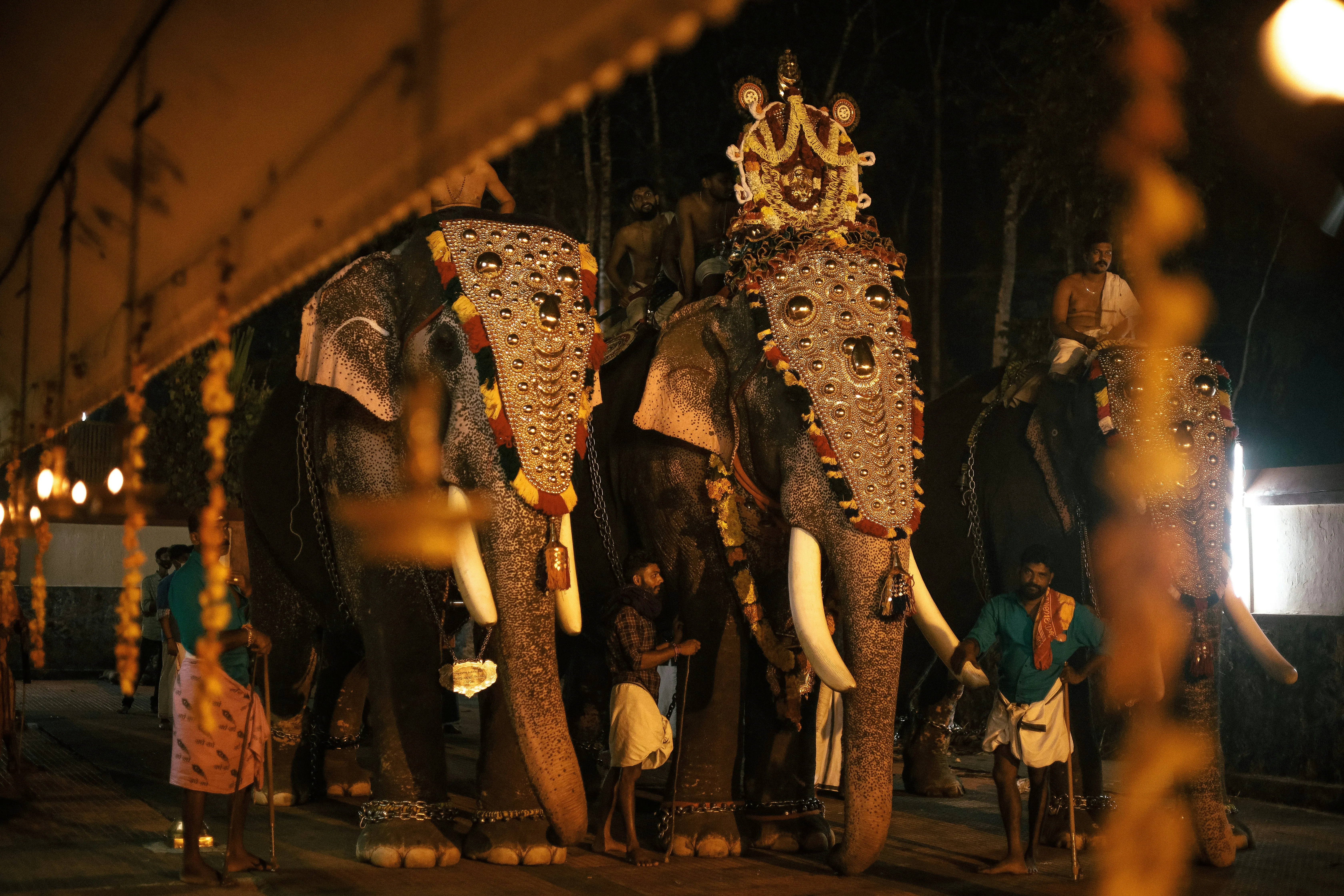
This is generally considered the ideal time to visit Kerala. The monsoon rains have receded, leaving behind a lush green landscape. The weather is pleasant with temperatures ranging from 20°C to 32°C. The clear skies and comfortable climate make it perfect for sightseeing, beach activities, and backwater cruises. This period also coincides with several cultural festivals, including the famous Thrissur Pooram.
October to November: Post-Monsoon Magic
The months immediately following the monsoon see the landscape at its most verdant. Waterfalls are in full flow, rivers are brimming, and the air is fresh and clean. This is an excellent time for Ayurveda treatments, as the humid climate is believed to enhance the effectiveness of traditional therapies. However, occasional rainfall can occur, so pack accordingly.
April to May: Summer Heat
Summer in Kerala can be hot and humid, with temperatures rising above 35°C in the plains. However, this is when you can find the best deals on accommodation, and fewer tourists mean more peaceful exploration. The hill stations of Munnar and Wayanad offer a pleasant escape from the heat. This is also the season for elephant festivals in various temples.
June to August: Monsoon Season
The southwest monsoon brings heavy rainfall to Kerala, particularly along the coast and in the mountains. While this is the off-peak season, Ayurveda centers offer special monsoon packages as this is traditionally considered the best time for detoxification treatments. The rains can disrupt travel plans, but the dramatic landscapes and reduced prices appeal to adventurous travelers.
Quick Season Summary
- Best Overall: October-March (pleasant weather, festivals, all attractions accessible)
- For Ayurveda: June-August and October-November (monsoon treatments)
- For Hill Stations: April-May (summer escape, budget deals)
- For Backwaters: September-March (optimal weather for houseboat cruises)
How to Reach Kerala
Kerala is well-connected by air, rail, and road, making it accessible from across India and abroad.
By Air: International Gateway
Cochin International Airport (COK) is the primary gateway to Kerala, with direct flights from major international destinations including the Middle East, Europe, and Southeast Asia. Other airports in the state include Thiruvananthapuram (the capital's airport), Kozhikode, and Kannur. All major Indian cities have daily flights to Kerala.
Pros: Fastest way to reach, international connections available
Cons: Flights can be expensive during peak season
By Train: Extensive Network
Kerala has excellent railway connectivity through the Southern Railway zone. Major railway stations include Thiruvananthapuram Central, Ernakulam Junction, Kozhikode, and Kottayam. Several trains connect Kerala to major cities like Chennai, Mumbai, Bangalore, and Delhi. The KSRTC (Kerala State Road Transport Corporation) operates convenient train services.
Pros: Affordable, comfortable, scenic routes
Cons: Can be crowded during peak season
By Road: National Highways
Kerala is connected to neighboring states via well-maintained National Highways. The NH 66 (formerly NH 17) runs along the coast, while NH 85 connects the interior regions. Kerala State Road Transport Corporation (KSRTC) operates an excellent bus network, including luxury Volvo buses for inter-state travel. Private buses and taxis are also readily available.
Pros: Flexible, scenic drives, door-to-door service
Cons: Traffic can be heavy in cities
Getting Around Kerala
- Backwaters: Houseboats, traditional kettuvallams, and motorboats
- Between Cities: KSRTC buses, private taxis, trains
- Local Transport: Auto-rickshaws, buses, and taxis in cities
- Hill Stations: Private taxis recommended for flexibility
Top Regions to Explore in Kerala
Alappuzha (Alleppey)
Famous as the "Venice of the East," Alappuzha is renowned for its vast network of backwaters, lush paddy fields, and iconic houseboats. A houseboat cruise through the serene backwaters, watching traditional village life unfold on the banks, is the quintessential Kerala experience. The annual Nehru Trophy Snake Boat Race, held in August, is a spectacular event that draws thousands of visitors.
Kumarakom
Located on the banks of Vembanad Lake, Kumarakom is a serene backwater destination known for its bird sanctuary, where you can spot migratory birds like Siberian storks. The region offers luxurious resort stays,Ayurveda treatments, and peaceful boat rides through the winding waterways.
Kochi (Cochin)
The commercial capital of Kerala, Kochi is a melting pot of cultures with a rich trading history. Explore the historic Fort Kochi area with its colonial Portuguese, Dutch, and British architecture, visit the famous Chinese fishing nets, and enjoy the vibrant spice markets. The city is also a hub for contemporary art and culinary experiences.
Munnar
Located at an altitude of 1,500 meters in the Western Ghats, Munnar is a breathtaking hill station known for its sprawling tea plantations, misty mountains, and cool climate. The rolling hills carpeted with tea bushes create a picture-perfect landscape. Visit the Tea Museum, explore the Eravikulam National Park (home to the endangered Nilgiri Tahr), and enjoy trekking in the pristine forests.
Wayanad
This green paradise in the northeastern part of Kerala offers a perfect blend of natural beauty and tribal culture. Wayanad is known for its spice and coffee plantations, ancient caves, waterfalls, and wildlife sanctuaries. The region is ideal for trekking, wildlife safaris, and experiencing the unique traditions of the indigenous tribal communities.
Kovalam and Varkala
Kerala's most famous beaches, Kovalam and Varkala, offer sun, sand, and sea along the Arabian Sea. Kovalam features three crescent-shaped beaches, while Varkala is known for its dramatic cliffs overlooking the sea and the ancient Janardanaswamy Temple. Both destinations offer beach shacks, Ayurvedic spas, and vibrant nightlife.
Thiruvananthapuram (Trivandrum)
The capital city is home to the famous Sree Padmanabhaswamy Temple, an architectural marvel with its intricate carvings and gopurams. Visit the Napier Museum, explore the rich collection at the Kanyakumari (not to be confused with the town in Tamil Nadu), and enjoy the clean beaches of Kovalam, just a short drive away.
Kozhikode (Calicut)
This historic city on the Malabar Coast was once a major spice trading port. Explore the ancient Beypore port, enjoy the famous Calicut biryani, and visit the Kappad Beach where Vasco da Gama first landed in India. The region is also known for its handloom and coir products.
Unique Experiences in Kerala
Houseboat Cruise in the Backwaters
No trip to Kerala is complete without a night aboard a traditional houseboat. These converted rice barges, equipped with modern amenities, offer a unique way to explore the backwaters. Drift past palm-fringed waterways, watch sunset over the lagoon, and wake up to the sounds of birdsong. The houseboats in Alappuzha and Kumarakom are the most popular choices.
Ayurveda and Wellness
Kerala is the birthplace of Ayurveda, the ancient Indian system of medicine. The state offers world-class Ayurvedic treatments, from rejuvenating massages to complete detoxification programs (Panchakarma). Numerous resorts and Ayurvedic centers provide authentic treatments using traditional herbs and techniques. The monsoon season is considered ideal for Ayurvedic treatments.
Cultural Performances
Witness the traditional art forms that are integral to Kerala's cultural heritage. Kathakali, a stylized classical dance-drama, features elaborate costumes and makeup. Mohiniyattam is a graceful dance form performed by women. Kalaripayattu, one of the oldest martial arts in the world, originated in Kerala. You can catch these performances in Kochi, Thiruvananthapuram, and other tourist centers.
Spice Plantation Tours
The Western Ghats of Kerala are ideal for spice cultivation. Take a guided tour through spice plantations in Munnar, Thekkady, or Wayanad to learn about the cultivation of cardamom, pepper, cinnamon, cloves, and vanilla. Many plantations also offer accommodations and organic meals.
Wildlife Safaris
Kerala is home to several wildlife sanctuaries where you can spot diverse flora and fauna. Periyar Tiger Reserve in Thekkady offers boat cruises and jungle safaris. Wayanad Wildlife Sanctuary, Silent Valley National Park, and Eravikulam National Park are other options for nature enthusiasts.
Kalari Training
For those interested in martial arts, Kerala offers opportunities to learn Kalaripayattu at traditional Kalari (training schools). Some resorts also offer introductory sessions where you can experience basic techniques.
Must-Try Experiences
- Sunset at Kanyakumari: Watch the sun set where three seas meet
- Toddy Tapping: Experience the unique tradition of toddy (palm wine) tapping
- Sadya: Traditional Kerala feast served on banana leaves
- Kathakali Performance: Classical dance-drama with elaborate makeup
Suggested Itineraries
7-Day Kerala Classic
Ideal for first-time visitors who want to experience Kerala's highlights:
- Day 1: Arrive in Kochi, explore Fort Kochi and Chinese fishing nets
- Day 2: Drive to Munnar (4 hours), explore tea gardens
- Day 3: Full day in Munnar (Tea Museum, Eravikulam)
- Day 4: Drive to Thekkady (3 hours), Periyar wildlife safari
- Day 5: Drive to Alappuzha (4 hours), board houseboat
- Day 6: Houseboat experience, afternoon at Kumarakom
- Day 7: Return to Kochi (2 hours), departure
10-Day Complete Kerala Circuit
A comprehensive tour covering all major experiences:
- Days 1-2: Kochi arrival, city sightseeing
- Day 3: Drive to Munnar, tea gardens
- Day 4: Munnar exploration (Eravikulam, Mattupetty)
- Day 5: Drive to Thekkady, Periyar Safari
- Day 6: Drive to Kumarakom, Ayurveda session
- Day 7: Houseboat cruise in Alappuzha
- Day 8: Beach time at Kovalam
- Day 9: Kanyakumari day trip from Kovalam
- Day 10: Departure from Thiruvananthapuram
5-Day Backwaters and Beach
Perfect for those seeking relaxation:
- Day 1: Arrive in Kochi, drive to Kumarakom
- Day 2: Houseboat experience
- Day 3: Drive to Kovalam beach
- Day 4: Beach relaxation, Ayurveda spa
- Day 5: Departure from Thiruvananthapuram
Where to Stay
Kerala offers diverse accommodation options to suit every budget and preference, from humble homestays to luxurious palace hotels.
Houseboats
The most iconic accommodation in Kerala, houseboats in Alappuzha and Kumarakom range from basic to ultra-luxury. Budget houseboats start around ₹3,000-5,000 per night, while premium houseboats with air-conditioning and private decks cost ₹10,000-25,000. Most houseboat packages include all meals.
Beach Resorts
Kovalam and Varkala offer a range of beach resorts, from budget guesthouses to luxury properties with sea views. Budget: ₹1,000-2,500, Mid-range: ₹3,000-6,000, Luxury: ₹10,000+ per night.
Hill Station Accommodations
Munnar, Thekkady, and Wayanad have plenty of resorts, from government circuit houses to luxury tea estate stays. Budget: ₹800-2,000, Mid-range: ₹2,500-5,000, Luxury: ₹7,000+ per night.
Heritage and Ayurveda Resorts
Kerala has numerous heritage properties and Ayurveda-focused resorts that offer authentic experiences. These range from ₹3,000-15,000+ per night and often include Ayurvedic treatments in the package.
Homestays
For an authentic experience, consider staying in homestays, particularly in the backwaters and hill stations. Prices range from ₹800-3,000 per night and include home-cooked meals.
Accommodation Tips
- Book houseboats 2-3 weeks in advance during peak season (October-March)
- Ayurveda packages require advance booking, especially during monsoon
- Hill station resorts fill quickly on weekends
- Many resorts offer all-inclusive packages with meals and activities
Costs & Budget
Kerala can be tailored to various budgets. Here is a breakdown of daily costs:
Budget Traveler (₹2,000-3,500/day)
- State transport buses and shared taxis
- Budget hotels and guesthouses (₹800-1,500/night)
- Local restaurants and dhaba meals (₹200-400 per day)
- Basic attractions and self-guided exploration
Mid-Range Traveler (₹4,000-7,000/day)
- Private taxi for inter-city travel
- Mid-range hotels and resorts (₹2,000-5,000/night)
- Restaurant meals and houseboat experience
- Guided tours and activities
Luxury Traveler (₹10,000+/day)
- Private car with driver
- Luxury resorts, heritage properties, and premium houseboats
- Private Ayurvedic treatments and wellness programs
- Private guided tours and experiences
Essential Travel Tips
Ayurveda Precautions
If you plan to undergo Ayurvedic treatments, consult with a qualified practitioner about any existing health conditions. Avoid consuming alcohol and spicy foods during Ayurveda treatments. The monsoon season (June-August) is traditionally considered ideal for Panchakarma (detoxification), but many centers offer these treatments year-round.
Monsoon Travel
If visiting during monsoon, pack lightweight rain gear and waterproof bags for electronics. Keep flexible travel plans as heavy rains can cause temporary disruptions. However, the off-season rates make it an attractive option for budget travelers.
Currency and Payments
While digital payments are widely accepted in cities and tourist areas, carry some cash for smaller towns and local markets. ATMs are readily available in most areas. Credit/debit cards are accepted at most hotels, restaurants, and attractions.
Food and Dining
Kerala cuisine is known for its use of coconut, spices, and seafood. Don't miss the traditional Sadya (vegetarian feast served on banana leaves), seafood curries, appam (rice pancakes), and the famous Kerala beef. Vegetarian food is widely available, and many restaurants offer both vegetarian and non-vegetarian options.
Connectivity
Mobile connectivity is excellent across Kerala. Jio, Airtel, and Vi offer 4G coverage in most tourist areas. WiFi is available in most hotels and resorts. For remote hill stations like Munnar and Wayanad, connectivity may be limited but is generally available.
Health and Safety
- Drink only bottled or filtered water
- Use sunscreen and stay hydrated, especially at beaches
- Carry mosquito repellent, particularly for evening outings
- Kerala is generally safe, but exercise standard precautions
- Travel insurance is recommended
Important Reminders
- Respect local customs, especially in temples and local communities
- Remove footwear before entering temples and homes
- Support sustainable tourism practices
- Book through reputable operators for houseboats and tours