In This Guide
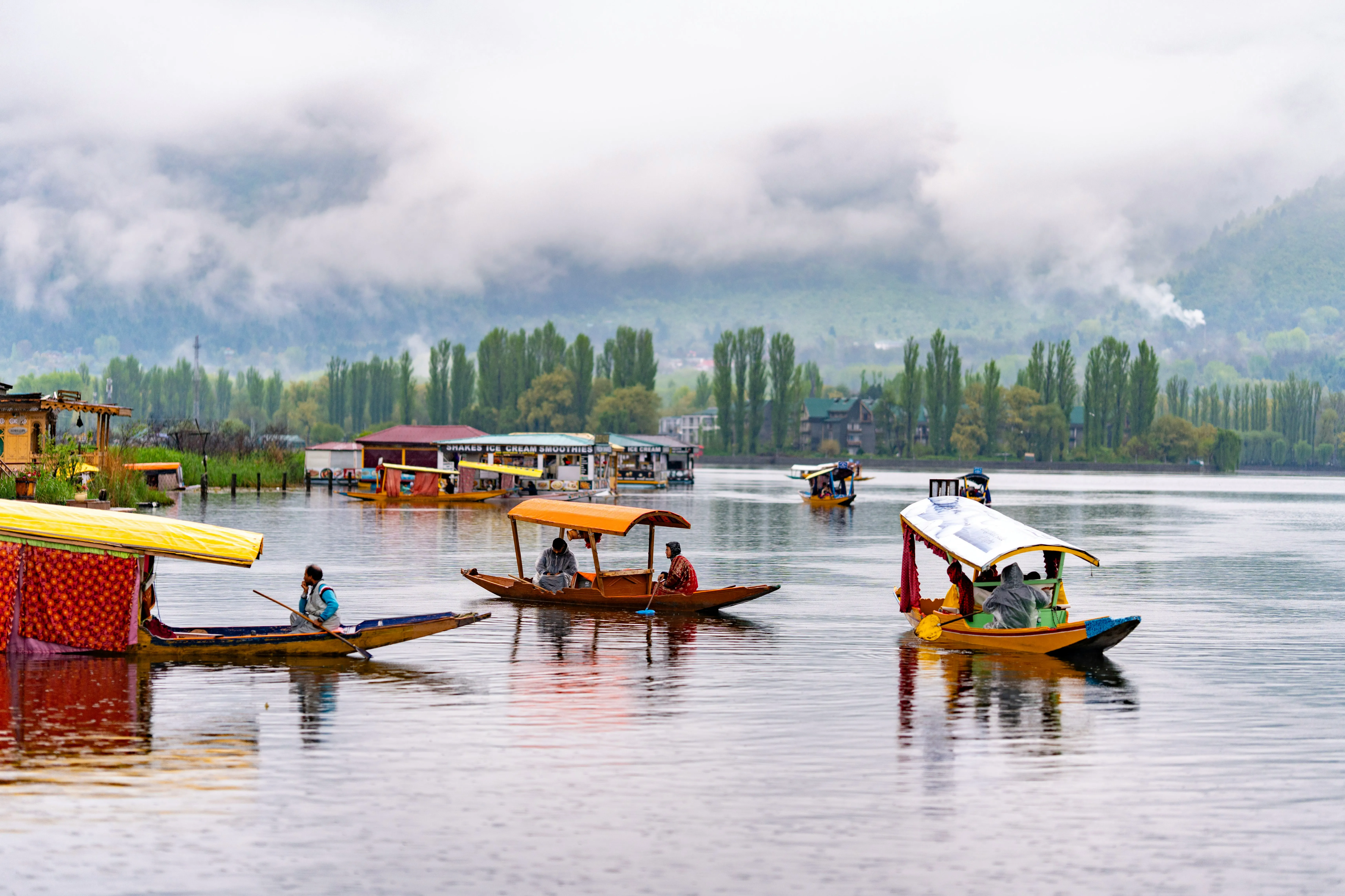
Often called "Paradise on Earth," Kashmir is a destination that has captured the imagination of travelers for centuries. This stunning region in northern India offers a kaleidoscope of experiences: from the serene waters of Dal Lake where wooden shikaras glide past floating houseboats, to the snow-capped peaks of the Himalayas that provide a dramatic backdrop to lush meadows carpeted with wildflowers.
In 2026, Kashmir has seen remarkable improvements in tourism infrastructure, making it more accessible than ever. Improved road connectivity, new flight routes, and a renewed focus on sustainable tourism have transformed the visitor experience. Whether you are seeking a romantic honeymoon, an adventure-packed getaway, or a spiritual retreat, Kashmir delivers an unforgettable experience.
Best Time to Visit Kashmir
Kashmir experiences four distinct seasons, each offering a unique perspective on this beautiful region. Understanding the best time to visit depends on what you want to experience.
Spring (March to May)
Spring is arguably the most beautiful season in Kashmir. As winter recedes, the valley comes alive with blooming apple orchards, cherry blossoms, and the famous Mughal gardens in full bloom. The weather is pleasant with temperatures ranging from 10°C to 25°C. This is the perfect time for sightseeing, visiting gardens, and enjoying the natural beauty without the extreme cold of winter or the crowds of summer.
Summer (June to August)
Summer is the peak tourist season in Kashmir. The weather is pleasant and cool, with temperatures ranging from 15°C to 30°C. This is the best time for adventure activities like trekking, rafting, and camping. The meadows of Gulmarg, Pahalgam, and Sonmarg are at their greenest, offering spectacular views. However, this is also the busiest time, so expect more tourists and higher prices.
Autumn (September to November)
Autumn brings a magical transformation to Kashmir as the leaves turn golden and the air becomes crisp. This is considered by many to be the most romantic season, with the famous apple orchards laden with fruit and the saffron fields in bloom. The weather remains pleasant, and the crowds thin out after August. This is an excellent time for photography, romantic getaways, and experiencing the local culture.
Winter (December to February)
Winter transforms Kashmir into a winter wonderland. Gulmarg becomes a world-class ski destination, while the frozen lakes and snow-covered landscapes offer a completely different experience. Temperatures can drop to -10°C or lower, but this is perfect for skiing, snowboarding, and experiencing the unique beauty of a white Kashmir. This is the off-season, with significantly lower prices and fewer tourists.
Season Quick Summary
- Best for sightseeing & gardens: March to May
- Best for adventure & trekking: June to August
- Best for romance & photography: September to November
- Best for skiing: December to February
How to Reach Kashmir
By Air
Srinagar International Airport (SXR) is the main gateway to Kashmir. It is well-connected with major Indian cities including Delhi, Mumbai, Jammu, Chandigarh, and Leh. There are also limited international connections. The airport is located about 12 km from Srinagar city center.
By Road
Kashmir is well-connected by road to the rest of India. The National Highway 1 connects Srinagar to Jammu (about 300 km, 8-10 hours drive). The road remains open throughout the year, though closures can occur during heavy snowfall in winter. Motorists can also drive to Kashmir via the Srinagar-Leh highway during the summer months.
By Train
The nearest railway station is Jammu Tawi (JAT), which is well-connected to major Indian cities. From Jammu, you can take a taxi or bus to Srinagar (approximately 8-10 hours). The new railway line to Katra is also operational, making it easier for pilgrims visiting Vaishno Devi.
Top Places to Visit in Kashmir
Srinagar
The summer capital of Jammu and Kashmir, Srinagar is famous for its stunning lakes, Mughal gardens, and distinctive houseboats. The iconic Dal Lake with its floating markets and shikara rides is a must-experience. Other attractions include the historic Mughal Gardens (Shalimar Bagh, Nishat Bagh, Chashme Shahi), the old city with its wooden mosques, and the bustling markets selling pashmina shawls and saffron.
Gulmarg
Located about 50 km from Srinagar, Gulmarg is one of India's premier hill stations and a world-class ski destination. The gondola (cable car) ride here is one of the highest in the world, offering breathtaking views of the Himalayas. In summer, Gulmarg transforms into a paradise for golfers, with its 18-hole golf course considered one of the highest in the world.
Pahalgam
Known as the "Valley of Shepherds," Pahalgam is a serene hill station at the confluence of the Lidder River and its tributaries. It serves as the base for the annual Amarnath Yatra pilgrimage and offers excellent opportunities for trekking, horse riding, and fishing. The Betaab Valley, named after the Bollywood movie, is a popular attraction nearby.
Sonmarg
Meaning "Golden Meadow," Sonmarg is a beautiful hill station about 80 km from Srinagar. It serves as the starting point for the trek to the Amarnath Cave and offers stunning views of thick forests and snow-capped peaks. The Zoji La pass, which connects Kashmir to Ladakh, is near Sonmarg.
Ladakh Region
While technically a separate region, Ladakh is often combined with a Kashmir trip. The stunning landscapes of Nubra Valley, Pangong Lake, and the high-altitude monasteries can be accessed via the Srinagar-Leh highway during the summer months (June to September).
Vaishno Devi
One of the most visited religious pilgrimage sites in India, the Vaishno Devi temple is located in Katra, about 50 km from Jammu. Pilgrims undertake a steep trek to the cave temple, though helicopter services and pony/palki options are available.
Things to Do in Kashmir
Shikara Ride on Dal Lake
A visit to Kashmir is incomplete without a shikara ride on Dal Lake. Early morning rides offer a magical experience as the sun rises over the mountains, while sunset cruises provide a romantic atmosphere. You can also stay overnight on a traditional houseboat, a unique Kashmiri experience dating back to British colonial times.
Explore Mughal Gardens
The Mughal Gardens of Kashmir are a testament to the love of nature by the Mughal emperors. Shalimar Bagh, Nishat Bagh, Chashme Shahi, and the recently opened Mughal Gardens of Srinagar offer spectacular views, terraced lawns, and cascading fountains.
Skiing in Gulmarg
For winter sports enthusiasts, Gulmah offers excellent skiing opportunities. The region has seen significant infrastructure improvements in recent years, with world-class facilities and international instructors available. The ski season runs from December to March.
Trekking and Adventure
Kashmir offers numerous trekking routes, from easy walks in the meadows to challenging high-altitude treks. Popular treks include the Great Lakes trek, the Tarsar Marsar trek, and the climb toKolahoi Glacier. River rafting on the Lidder River and params are also popular.
Experience Local Culture
Visit the old city of Srinagar to experience the rich culture, explore the wooden mosques, and shop for authentic Kashmiri handicrafts. Attend a traditional Wazwan feast, learn about paper-mache art, and witness the famous Sufi music performances.
Visit Tulip Garden
The Indira Gandhi Memorial Tulip Garden in Srinagar is Asia's largest tulip garden. It blooms in spring (usually April) with millions of tulips in various colors, creating a spectacular visual display.
Where to Stay in Kashmir
Houseboats
Staying on a houseboat is perhaps the most iconic Kashmir experience. These floating accommodations, moored on Dal Lake or Nagin Lake, range from basic to luxurious. Prices range from ₹1,500 per night for basic houseboats to ₹10,000+ for premium options with modern amenities.
Hotels in Srinagar
Srinagar offers a wide range of accommodation options, from budget guesthouses to luxury hotels. Popular areas include Dal Lake vicinity, Boulevard Road, and Rajbagh. Mid-range hotels cost ₹2,000-5,000/night, while luxury properties go upwards of ₹8,000/night.
Resorts in Gulmarg & Pahalgam
These hill stations have a good selection of resorts and hotels. Gulmarg has several ski-in/ski-out properties, while Pahalgam offers more budget-friendly options. Prices vary significantly based on season and location.
Accommodation Tips
- Book houseboats in advance, especially during peak season
- Verify that houseboats have heating in winter months
- Consider the location — Dal Lake for iconic views, city for convenience
- Many hotels offer MAP (bed & breakfast) packages
Costs & Budget
Budget Traveler (₹1,500-2,500/day)
- Budget guesthouses or economy houseboats
- Local transportation (shared taxis, buses)
- Local dhabas for meals
- Basic shikara ride and garden visits
Mid-Range Traveler (₹3,500-5,500/day)
- 3-4 star hotels or premium houseboats
- Private taxi for sightseeing
- Restaurant meals at good eateries
- Gondola ride, adventure activities
Luxury Traveler (₹8,000+/day)
- Luxury hotels and palace stays
- Private car with driver
- Fine dining experiences
- Private adventure guides and exclusive experiences
Essential Travel Tips
Weather & Clothing
Kashmir's weather can be unpredictable. Pack layers as temperatures vary significantly between day and night. Even in summer, bring a light jacket or sweater. In winter, pack heavy woolens and thermals. Always carry rain gear, as showers can occur unexpectedly.
Health & Safety
Carry necessary medications, as pharmacies in remote areas may be limited. Drink only bottled water. If trekking at high altitudes, consult a doctor about altitude sickness prevention. Travel insurance is recommended for adventure activities.
Cultural Sensitivity
Kashmir is a culturally sensitive region. Dress modestly, especially when visiting religious sites. Ask permission before photographing locals. Respect local customs and traditions.
Shopping
Kashmir is famous for its handicrafts. Authentic items include pashmina shawls, saffron, paper-mache products, carved walnut wood items, and Kashmir carpets. Buy from reputable stores to avoid fake products.
Important Reminders
- Always check weather conditions before traveling to high-altitude areas
- Road conditions can change rapidly during winter
- Register with local tourism authorities if undertaking treks
- Keep emergency contact numbers handy